Physiotherapy technique
Dry Needling in Doha
Dry needling is one of the hands-on techniques our physiotherapists use for tight, painful muscles. When your assessment shows it suits your problem, it is used within your 45-minute physiotherapy session, at no extra cost. Longevity Suite, Virgin Active Msheireb Downtown Doha.
Where you will be treated
 Chartered PhysiotherapistsLongevity SuiteMsheireb Downtown Doha
What is dry needling?
Dry needling uses very thin, solid, single-use needles, called filiform needles, placed into tight bands of muscle often described as myofascial trigger points. It is called "dry" because nothing is injected: the needle itself is the treatment.
The aim is to ease muscle tension and pain, so that you can move more freely and get more out of the exercise and hands-on work in the rest of your plan.
At MVP, dry needling is one tool within a physiotherapy plan, not a standalone fix. It is combined with hands-on therapy, targeted exercise and advice on training load, and it is only used when your physiotherapist thinks it suits your problem.
Dry needling and acupuncture: what is the difference?
Both use similar fine needles, so they can look alike. The difference is in the reasoning behind them.
Acupuncture comes from traditional Chinese medicine and places needles on points and channels described in that tradition. Dry needling is based on Western anatomy and a physiotherapy assessment: the needle goes into a specific muscle that your physiotherapist has examined and found to be tight or tender.
If you have had acupuncture before, mention it at your assessment: it helps your physiotherapist understand how you respond to needles.
What dry needling is commonly used for
Dry needling is commonly used as part of physiotherapy for muscle-related pain and tension, for example:
- Lower back pain with tight, tender muscles
- Neck pain and tension across the neck and upper shoulders, often linked to desk work
- Shoulder pain where the surrounding muscles are tight or guarding
- Buttock and leg pain where the muscles around the hip are involved
- Knee pain, including runner's knee, where thigh and hip muscles are overloaded
- Muscle tightness that is holding back your training or sport
Whether it is right for you depends on your assessment. For some problems other techniques will help more, and your physiotherapist will tell you so.
What a session with dry needling looks like
45 minutes · 600 QAR · one-to-one
Assessment
Your physiotherapist reviews your history and medical background, assesses how you move and finds which muscles are involved.
Explanation and consent
If dry needling suits your problem, they explain what it involves and which area they plan to treat. It is only used with your agreement, and you can decline or ask to stop at any time.
Needling
A thin, sterile, single-use needle is placed into the target muscle, usually for a short time. You may feel a brief twitch in the muscle or a deep ache, which usually settles quickly.
The rest of your session
Needling sits alongside hands-on therapy and targeted exercise in the same 45-minute session, and you leave with a plan to follow until the next one.
What it feels like, honestly
The needle is much thinner than the ones used for injections or blood tests, so many people barely feel it go in. When it reaches a tight area, the muscle may twitch briefly or you may feel a deep, dull ache. Tell your physiotherapist how it feels: they can adjust or stop.
Afterwards, the treated area can feel sore, a bit like after a hard workout, usually for a day or two. Small bruises are possible. Gentle movement usually helps, and your physiotherapist will tell you what to do.
When dry needling may not be suitable
Dry needling is not for everyone. Tell your physiotherapist before treatment if any of these apply to you, as needling may need to be adapted, postponed or avoided:
- A strong fear of needles
- A bleeding disorder, or taking blood-thinning medication
- Pregnancy, or the possibility that you are pregnant
- An infection, wound or skin problem at or near the area to be treated
- An allergy to metals such as nickel
- Recent surgery in or near the area
- A medical condition that is not well controlled, or a weakened immune system
This is general guidance, not a medical assessment. Your physiotherapist always assesses you first, explains any risks that apply to you, and only uses dry needling with your consent. If it is not appropriate, other techniques are available in the same session.
Who will treat you
Dry needling is performed by a physiotherapist trained in the technique, after an assessment, in a one-to-one session.
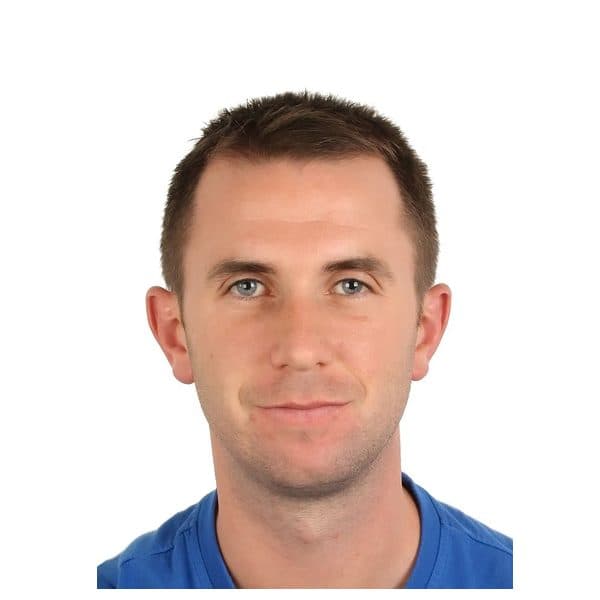
Dermot Simpson
Co-founder & Lead Physiotherapist
Chartered Physiotherapist · MSc Sports Physiotherapy (UCD) · Aspetar Doha · Qatar National Football Team (since 2018) · Asian Cup 2019 winner
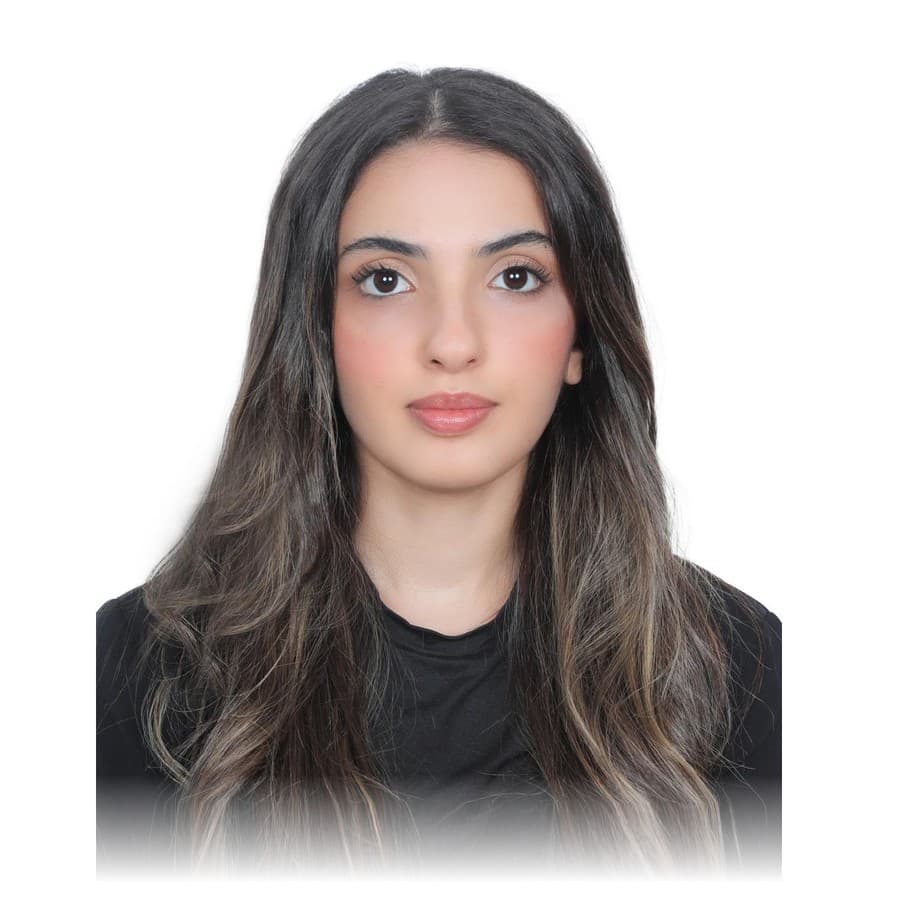
Rana Brahim
Physiotherapist
Physiotherapist · Aspetar-trained · Dry Needling · McKenzie Method · FIFA Football Medicine · Adaptive Sports Medicine
Speaks ArabicDry needling: common questions
Does dry needling hurt?
Most people feel little as the needle goes in. When it reaches a tight muscle you may feel a brief twitch or a deep ache, which usually settles quickly. Some soreness for a day or two afterwards is common. Your physiotherapist checks in with you throughout and can stop at any time.
Is dry needling the same as acupuncture?
No. The needles are similar, but acupuncture is based on traditional Chinese medicine, while dry needling is based on Western anatomy and a physiotherapy assessment of specific muscles. At MVP, dry needling is used as one part of a physiotherapy session.
How many sessions will I need?
It depends on the problem, and dry needling is not needed in every session. It is one part of a physiotherapy plan, and your physiotherapist gives you an honest timeline after your first assessment.
Does dry needling cost extra?
No. Dry needling is not a separate appointment. If your physiotherapist assesses that it suits your problem, it is used within your 45-minute physiotherapy session at no extra cost. A session costs 600 QAR.
Can I train after dry needling?
Light activity is usually fine and often helps. If the area feels sore, it can be sensible to ease off hard training for a day or two. Your physiotherapist will advise you based on the area treated and your training plans.
Who performs dry needling at MVP?
A physiotherapist trained in dry needling, after assessing you. Rana Brahim, physiotherapist on our clinical team, has advanced training in dry needling and speaks Arabic. All physiotherapists at MVP are MOPH-licensed.
Are there side effects?
The most common are soreness in the treated area for a day or two, small bruises, and feeling tired or lightheaded for a short time. Serious complications are rare when dry needling is performed by a trained practitioner, and your physiotherapist explains the risks for the area being treated before you agree to it.
Do I need a doctor's referral?
No referral is needed to book. If you plan to claim through medical insurance, some insurers require a doctor's referral for reimbursement, so check your policy first.
5.0 on Google
A fantastic clinic with a clean, modern environment and a warm, welcoming atmosphere. The staff are very friendly and professional, making the whole experience excellent. A special thanks to Rana for her exceptional care!
I had physiotherapy treatment at MVP Clinic with Rana, it was professional, effective, and it was a good experience.
I had a fantastic physiotherapy session with Dermot. I highly recommend.
Massage packages
Between physio sessions: massage packages
Massage can support recovery between physiotherapy sessions and training blocks. Packages of 4, 8 or 12 sessions bring the price per session down and are paid online.
4 sessions
Save 90 QAR · 5% off
1,710 QAR
427.5 QAR per session
Valid for 30 days
8 sessions
Save 360 QAR · 10% off
3,240 QAR
405 QAR per session
Valid for 60 days
12 sessions
Save 810 QAR · 15% off
4,590 QAR
382.5 QAR per session
Valid for 90 days
- 60-minute sessions
- Deep tissue or sports massage
- The same team and standard as single sessions
Package sessions are scheduled by phone or at reception, not through the online booking page.
Practical information
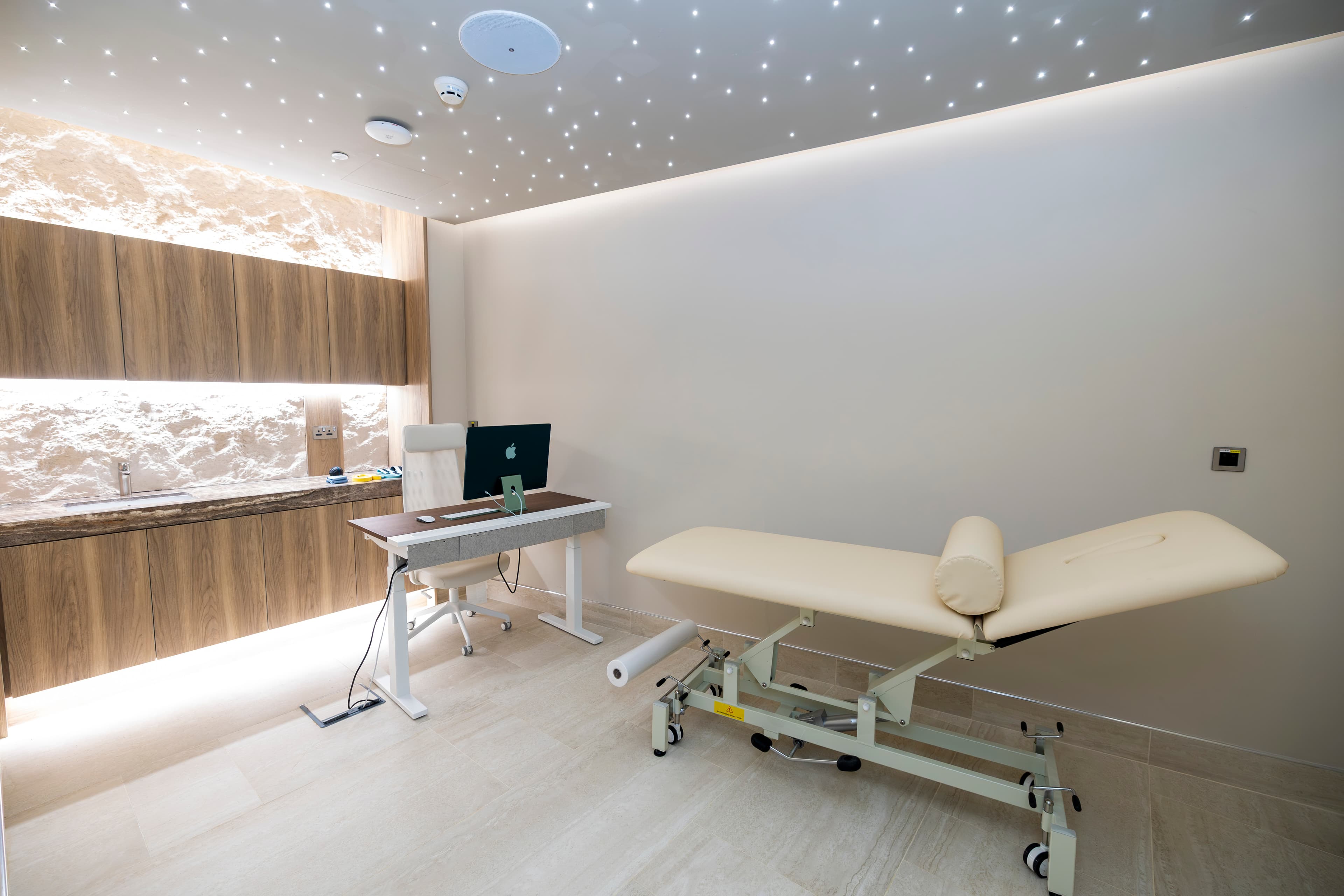
Your session is one-to-one, in a private treatment room.
Sunday – Thursday: 8:00 AM – 10:00 PMFriday: 12:00 PM – 8:00 PMSaturday: 10:00 AM – 8:00 PM
Longevity Suite, Virgin Active Unit 120, Building 41, Street 950 Msheireb Downtown Doha, Qatar
Open in Google MapsBook a physiotherapy session
45-minute physiotherapy session at the Longevity Suite, Virgin Active Msheireb. 600 QAR. Dry needling is used within the session when it suits your problem, at no extra cost.