Conditions
Frozen Shoulder Treatment in Doha: Physio at MVP
Frozen shoulder (adhesive capsulitis) makes the shoulder painful, then stiff in every direction. It often improves slowly over months. Physiotherapy helps you manage the pain and recover movement through each phase.
Where you will be treated
 Chartered PhysiotherapistsLongevity SuiteMsheireb Downtown Doha
Symptoms we commonly see
- Shoulder pain that builds gradually, often without any clear injury.
- Stiffness in every direction, especially turning the arm outward and reaching behind your back.
- Night pain and difficulty lying on the affected side.
- Trouble with everyday tasks: dressing, doing your hair, reaching for the seatbelt.
- A sharp catch of pain at the end of the movement you still have.
What happens in a frozen shoulder
The capsule around the shoulder joint becomes inflamed, then thickens and tightens. The cause is not fully understood, but the pattern is well described and usually runs through three overlapping phases.
- The painful (freezing) phase. Pain dominates, especially at night, and movement starts to shrink. This phase can last from several weeks to a few months.
- The stiff (frozen) phase. Pain often eases, but the shoulder stays restricted. Daily tasks are limited by stiffness more than by pain.
- The recovery (thawing) phase. Movement gradually returns. The whole process can take from several months to two years or more, and some people keep a degree of stiffness.
- Who is at risk. It is most common between 40 and 60, more common in people with diabetes or thyroid conditions, and can follow a period with the arm immobilised (surgery, a fracture or a sling).
How a physio-led plan helps
We first confirm the diagnosis. A frozen shoulder loses movement both when you lift the arm yourself and when we move it for you, especially rotation outward. That separates it from rotator cuff tendon pain, arthritis or pain referred from the neck, which need a different plan.
In the painful phase, the aim is to calm the shoulder down: gentle movement within comfort, positions that help you sleep, and advice on what to avoid. Forcing painful stretches at this stage tends to aggravate it. We also tell you when it is worth discussing a steroid injection with your doctor, which can reduce pain early on.
As pain settles, treatment shifts to recovering range: joint mobilisation, progressive stretching you can tolerate, and strength work for the shoulder and shoulder blade. Most of the progress comes from a short daily home programme, so sessions are usually spaced out rather than frequent.
When to see a doctor first
Some shoulder symptoms need medical assessment before physiotherapy. We screen for them at the first visit.
- Left shoulder or arm pain with chest pain, shortness of breath or sweating. Call emergency services.
- Sudden loss of movement or inability to lift the arm after a fall or injury.
- Fever, or a hot, red, swollen shoulder.
- Constant pain that no position eases, unexplained weight loss, or a history of cancer.
- Numbness, tingling or weakness spreading down the arm.
Related services at MVP
Who will treat you
Every session is one-to-one, and the person who assesses you is the person who treats you.

Dermot Simpson
Co-founder & Lead Physiotherapist
Chartered Physiotherapist · MSc Sports Physiotherapy (UCD) · Aspetar Doha · Qatar National Football Team (since 2018) · Asian Cup 2019 winner

Rana Brahim
Physiotherapist
Physiotherapist · Aspetar-trained · Dry Needling · McKenzie Method · FIFA Football Medicine · Adaptive Sports Medicine
Speaks Arabic
Taneille Johnson
Sports Therapist
Sports Therapy · Personal Training · FIFA Diploma in Football Medicine · FIFA U-17 World Cup medical team
Your first session
45 minutes · 600 QAR · one-to-one
Assessment
We review your history, assess how you move and explain what we find.
Hands-on treatment
Treatment starts in the same visit, combining hands-on therapy with targeted exercise.
A plan between sessions
You leave with exercises and a clear plan to follow until your next session.
Common questions
Does a frozen shoulder go away on its own?
It often improves over time, but recovery can take from several months to two years or more, and some people keep a degree of stiffness. Physiotherapy cannot skip the natural course, but it helps you manage pain, keep the movement you have and recover range as the shoulder allows.
What can I do at home for a frozen shoulder?
Keep the arm moving gently within comfort: pendulum swings, sliding the hand up a wall or along a table, and movements assisted by the other arm. Heat before the exercises helps many people. In the painful phase, avoid forcing the stretch. After the assessment we give you a short home programme matched to your phase.
Do injections help a frozen shoulder?
A steroid injection, given by a doctor, can reduce pain in the early painful phase and make the exercises easier. It does not restore movement on its own, so it is most useful alongside a movement plan. Your doctor decides whether it suits you.
Will creams or massage fix it?
Anti-inflammatory gels may ease pain for some people for a while, and massage of the surrounding muscles can make you more comfortable. Neither changes the tightness of the joint capsule, so gradual movement work remains the core of treatment.
How many sessions will I need?
It depends on the phase and how irritable the shoulder is. Many people come every one to two weeks, with daily home exercises in between, and space the sessions further apart as movement returns.
5.0 on Google
A fantastic clinic with a clean, modern environment and a warm, welcoming atmosphere. The staff are very friendly and professional, making the whole experience excellent. A special thanks to Rana for her exceptional care!
I had physiotherapy treatment at MVP Clinic with Rana, it was professional, effective, and it was a good experience.
I had a fantastic physiotherapy session with Dermot. I highly recommend.
Recovery packages
Most people need more than one session
Hands-on treatment works best in a series. Massage packages bring the per-session price down and are paid online, so the plan is set before you walk in.
4 sessions
Save 90 QAR · 5% off
1,710 QAR
427.5 QAR per session
Valid for 30 days
8 sessions
Save 360 QAR · 10% off
3,240 QAR
405 QAR per session
Valid for 60 days
12 sessions
Save 810 QAR · 15% off
4,590 QAR
382.5 QAR per session
Valid for 90 days
- 60-minute sessions
- Deep tissue or sports massage
- The same team and standard as single sessions
Package sessions are scheduled by phone or at reception, not through the online booking page.
Practical information
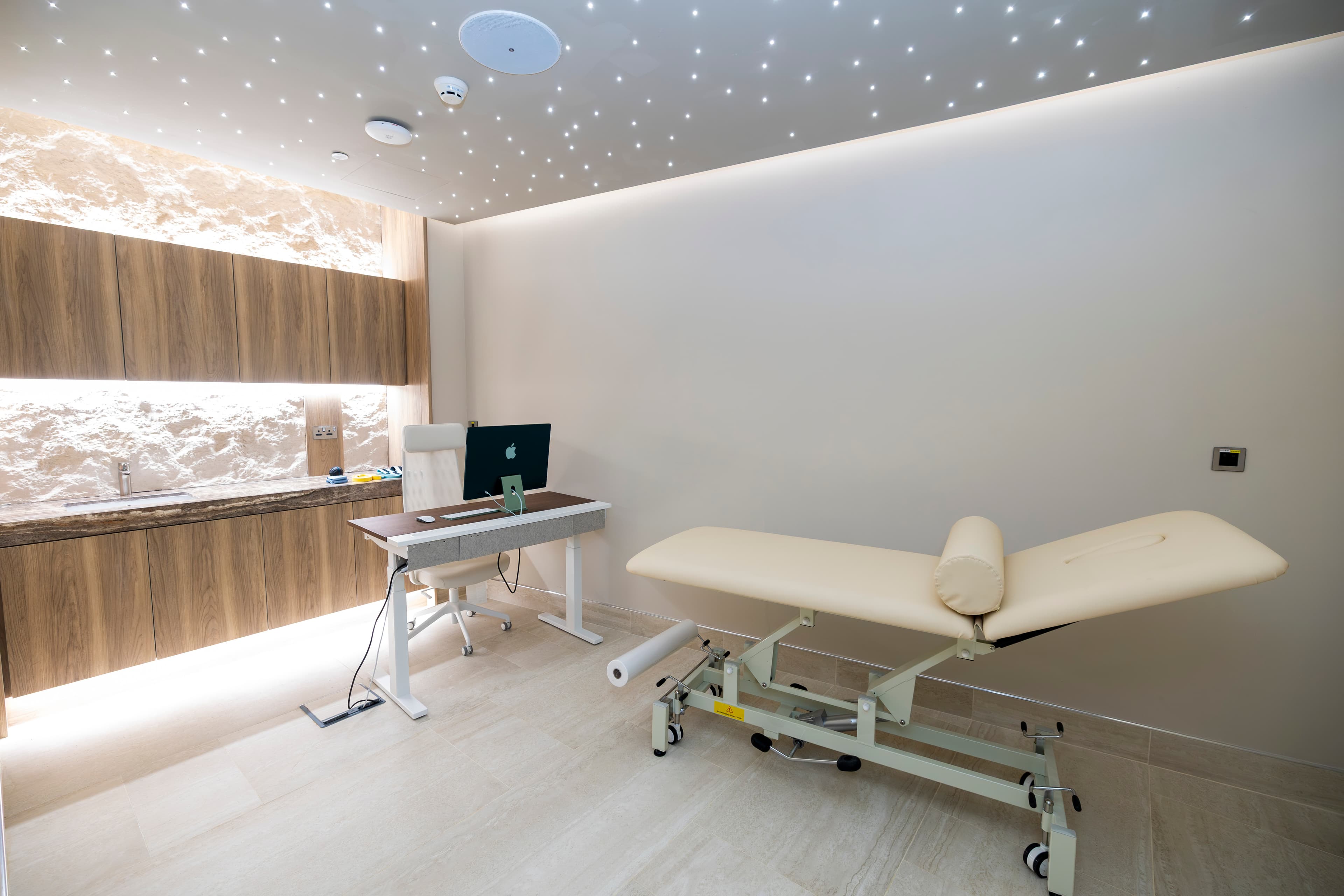
Your session is one-to-one, in a private treatment room.
Sunday – Thursday: 8:00 AM – 10:00 PMFriday: 12:00 PM – 8:00 PMSaturday: 10:00 AM – 8:00 PM
Longevity Suite, Virgin Active Unit 120, Building 41, Street 950 Msheireb Downtown Doha, Qatar
Open in Google MapsGet your shoulder moving again, one phase at a time.
45-minute physiotherapy session at the Longevity Suite, Virgin Active Msheireb. 600 QAR. Confirmation within an hour.