Conditions
Shoulder Tendinitis in Doha: Rotator Cuff Physio at MVP
Shoulder tendinitis, now often called rotator cuff tendinopathy, causes pain when lifting the arm and at night. Physiotherapy built on progressive loading is the core of treatment.
Where you will be treated
 Chartered PhysiotherapistsLongevity SuiteMsheireb Downtown Doha
Symptoms we commonly see
- Pain on the outside of the upper arm when lifting the arm to the side or overhead.
- Night pain, especially when lying on the affected shoulder.
- Pain when reaching behind the back, putting on a jacket or reaching a high shelf.
- Weakness or pain when pressing, throwing or playing padel and tennis.
- A painful arc: the shoulder hurts through the middle part of the lift.
What drives shoulder tendon pain
Tendons respond to load. Pain usually appears when the load on the rotator cuff tendons rises faster than they can adapt, or when they have been underloaded for a long time.
- A sudden increase in activity. More gym pressing, a new padel schedule, painting a room, or carrying heavy bags after a quiet period.
- Desk and posture load. Long hours with the arms forward and the shoulders rounded can reduce shoulder control and keep the tendons irritated.
- Age. Tendon changes become more common after 40, so the same activity can be tolerated less well than before.
How a physio-led plan helps
We assess shoulder movement and strength, the shoulder blade and the neck, which can refer pain to the shoulder. This separates tendon pain from other causes such as a stiff (frozen) shoulder or nerve pain from the neck.
Treatment is built around progressive loading of the rotator cuff and shoulder-blade muscles. Rest alone rarely resolves tendon pain: the tendon needs the right dose of work to recover. Hands-on techniques can ease pain and help you move while the exercise plan does its job.
Tendon recovery usually takes several weeks to a few months. We adjust your training rather than stopping it where possible, and we tell you when a medical opinion, imaging or an injection discussion with your doctor is worth it.
When to see a doctor first
Some shoulder symptoms need medical assessment before physiotherapy. We screen for them at the first visit.
- Sudden inability to lift the arm after a fall or a strong pull, which can indicate a tendon tear.
- A visible deformity after a fall or dislocation.
- Left shoulder or arm pain with chest pain, shortness of breath or sweating. Call emergency services.
- Fever or a hot, red, swollen shoulder.
- Pain with unexplained weight loss, or constant pain that no position eases.
Related services at MVP
Who will treat you
Every session is one-to-one, and the person who assesses you is the person who treats you.
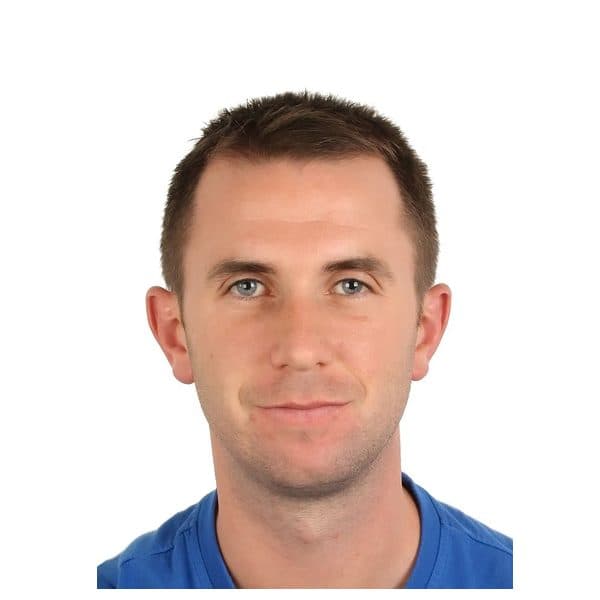
Dermot Simpson
Co-founder & Lead Physiotherapist
Chartered Physiotherapist · MSc Sports Physiotherapy (UCD) · Aspetar Doha · Qatar National Football Team (since 2018) · Asian Cup 2019 winner

Rana Brahim
Physiotherapist
Physiotherapist · Aspetar-trained · Dry Needling · McKenzie Method · FIFA Football Medicine · Adaptive Sports Medicine
Speaks Arabic
Taneille Johnson
Sports Therapist
Sports Therapy · Personal Training · FIFA Diploma in Football Medicine · FIFA U-17 World Cup medical team
Your first session
45 minutes · 600 QAR · one-to-one
Assessment
We review your history, assess how you move and explain what we find.
Hands-on treatment
Treatment starts in the same visit, combining hands-on therapy with targeted exercise.
A plan between sessions
You leave with exercises and a clear plan to follow until your next session.
Common questions
How long does shoulder tendinitis take to heal?
It varies with how long the pain has been there and the load you need to return to. Many people improve noticeably within 6 to 12 weeks of a consistent exercise plan. Longer-standing cases can take more time.
Do antibiotics treat shoulder tendon inflammation?
No. Antibiotics treat bacterial infections, and tendon pain from overload is not an infection. Ask your doctor about any medication; physiotherapy focuses on restoring the tendon's capacity to handle load.
What can I do at home?
Reduce the movements that clearly provoke the pain for a short period, without stopping using the arm. Gentle movement and specific strengthening help most people. We give you a precise home programme after the assessment.
Can I keep going to the gym?
Usually yes, with changes. We will tell you which exercises to keep, which to modify and how to rebuild pressing and overhead work gradually.
5.0 on Google
A fantastic clinic with a clean, modern environment and a warm, welcoming atmosphere. The staff are very friendly and professional, making the whole experience excellent. A special thanks to Rana for her exceptional care!
I had physiotherapy treatment at MVP Clinic with Rana, it was professional, effective, and it was a good experience.
I had a fantastic physiotherapy session with Dermot. I highly recommend.
Recovery packages
Most people need more than one session
Hands-on treatment works best in a series. Massage packages bring the per-session price down and are paid online, so the plan is set before you walk in.
4 sessions
Save 90 QAR · 5% off
1,710 QAR
427.5 QAR per session
Valid for 30 days
8 sessions
Save 360 QAR · 10% off
3,240 QAR
405 QAR per session
Valid for 60 days
12 sessions
Save 810 QAR · 15% off
4,590 QAR
382.5 QAR per session
Valid for 90 days
- 60-minute sessions
- Deep tissue or sports massage
- The same team and standard as single sessions
Package sessions are scheduled by phone or at reception, not through the online booking page.
Practical information
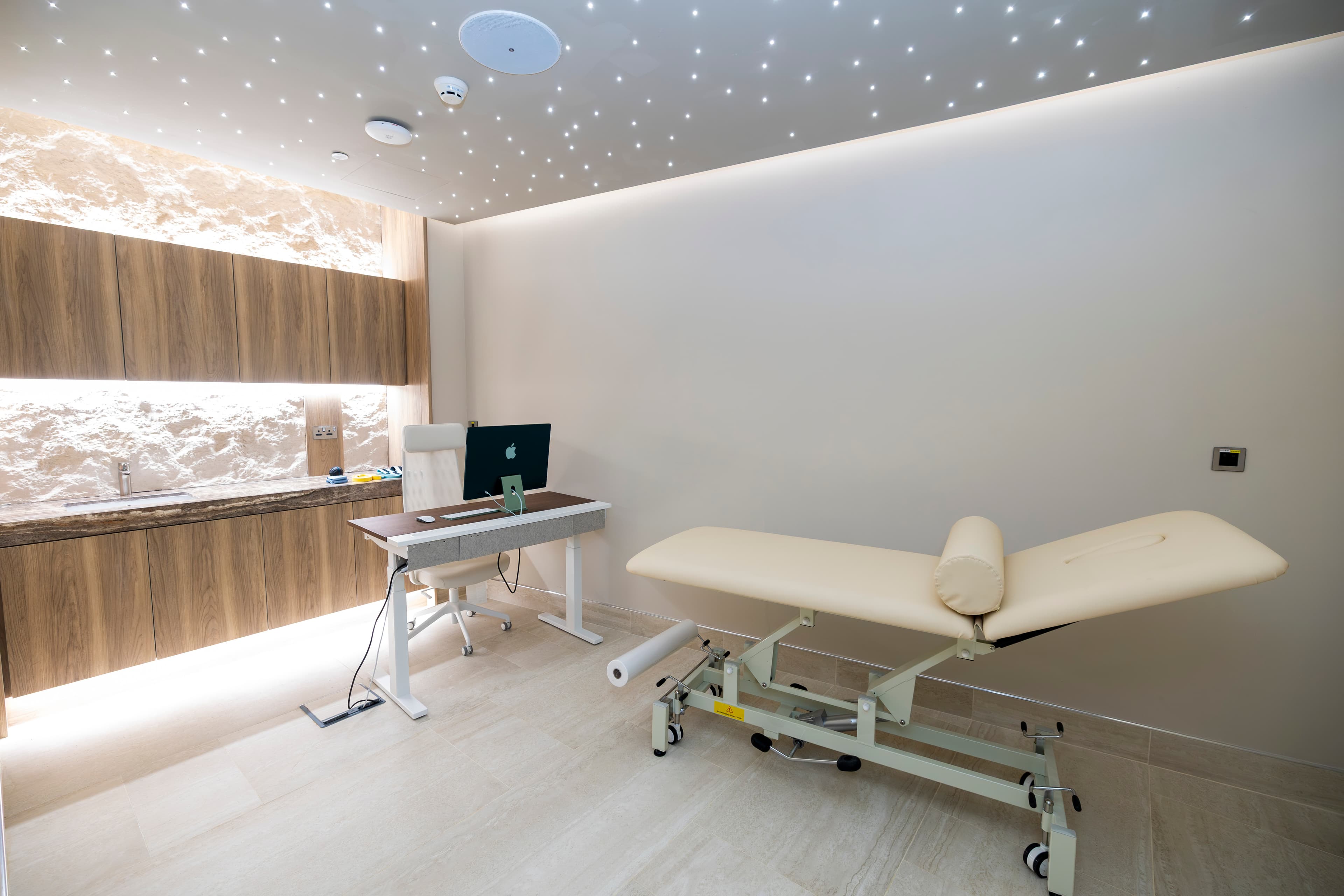
Your session is one-to-one, in a private treatment room.
Sunday – Thursday: 8:00 AM – 10:00 PMFriday: 12:00 PM – 8:00 PMSaturday: 10:00 AM – 8:00 PM
Longevity Suite, Virgin Active Unit 120, Building 41, Street 950 Msheireb Downtown Doha, Qatar
Open in Google MapsGet your shoulder moving and lifting again.
45-minute physiotherapy session at the Longevity Suite, Virgin Active Msheireb. 600 QAR. Confirmation within an hour.