Conditions
Ankle Sprain Physio in Doha: Treatment and Rehab at MVP
A sprained ankle is one of the most common sports injuries, and it happens on stairs and kerbs too. Most sprains settle well, but without rehab many people sprain the same ankle again. Physiotherapy rebuilds strength and balance so you can trust the ankle.
Where you will be treated
 Chartered PhysiotherapistsLongevity SuiteMsheireb Downtown Doha
Symptoms we commonly see
- Pain and swelling on the outside of the ankle after rolling the foot inward.
- Bruising around the ankle and down the side of the foot in the following days.
- Pain when walking, especially on uneven ground or stairs.
- Stiffness when bending the ankle up, for example in a squat or going downstairs.
- A feeling that the ankle is weak or gives way, weeks after the injury.
Why ankle sprains happen, and happen again
Most sprains injure the ligaments on the outside of the ankle when the foot rolls inward under body weight. What happens after the first sprain largely decides whether it happens again.
- Sport and surfaces. Football, basketball, padel and running on uneven ground involve quick changes of direction and landings on an unstable foot.
- A previous sprain. It is the strongest risk factor for the next one, especially when the first was not rehabilitated.
- Balance and strength. A sprain disturbs the ankle's sense of position and weakens the muscles that react to a roll. If these are not retrained, the ankle stays vulnerable.
- A twist with the foot turned outward can injure the ligaments above the ankle (a high ankle sprain), which usually takes longer to recover.
How a physio-led plan helps
We assess the ligaments, swelling and walking, and use established clinical rules to decide whether an X-ray is needed to rule out a fracture. Grading the sprain gives you a realistic timeline from the start.
Early on, the aim is to protect the ankle while keeping it moving: compression, elevation, gradual weight bearing and gentle range of motion. Long periods of complete rest usually slow recovery rather than speed it up, unless a doctor has advised immobilisation.
As pain settles, we rebuild calf and ankle strength and retrain balance, which research links to a lower risk of spraining again. For active patients we finish with hopping, cutting and sport-specific drills, so the return to football, padel or running is tested rather than guessed.
When to see a doctor first
Some ankle injuries need an X-ray or medical review before rehab. We screen for them at the first visit.
- You could not take four steps straight after the injury, or still cannot walk on it.
- Tenderness directly on the bone at the back or tip of the ankle bones, or at the bony bump on the outside of the midfoot.
- An obvious deformity, or numbness, coldness or colour change in the foot.
- A pop at the back of the heel with weakness pushing off the foot, which can indicate an Achilles tendon rupture.
- Calf pain, swelling and warmth in the lower leg, especially after time in a boot or with reduced walking. Seek urgent care.
Related services at MVP
Who will treat you
Every session is one-to-one, and the person who assesses you is the person who treats you.
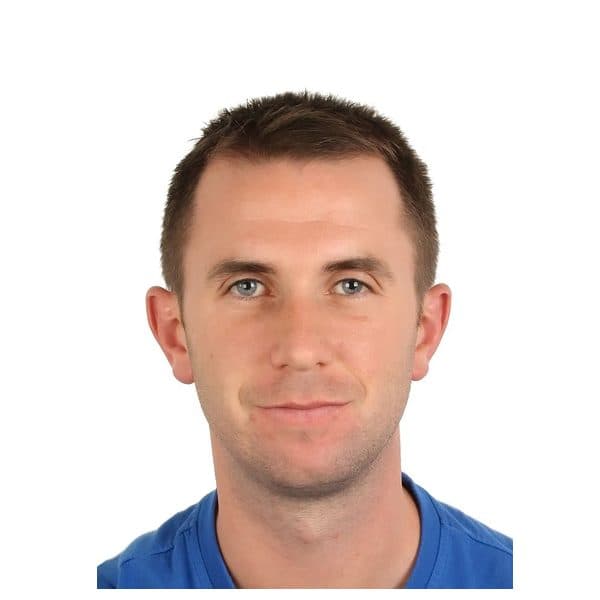
Dermot Simpson
Co-founder & Lead Physiotherapist
Chartered Physiotherapist · MSc Sports Physiotherapy (UCD) · Aspetar Doha · Qatar National Football Team (since 2018) · Asian Cup 2019 winner

Rana Brahim
Physiotherapist
Physiotherapist · Aspetar-trained · Dry Needling · McKenzie Method · FIFA Football Medicine · Adaptive Sports Medicine
Speaks Arabic
Taneille Johnson
Sports Therapist
Sports Therapy · Personal Training · FIFA Diploma in Football Medicine · FIFA U-17 World Cup medical team
Your first session
45 minutes · 600 QAR · one-to-one
Assessment
We review your history, assess how you move and explain what we find.
Hands-on treatment
Treatment starts in the same visit, combining hands-on therapy with targeted exercise.
A plan between sessions
You leave with exercises and a clear plan to follow until your next session.
Common questions
What should I do in the first few days after spraining my ankle?
Protect the ankle, use ice for comfort, wear a compression bandage and raise the foot when resting. Walk as much as the pain allows, with crutches if needed. If you cannot put weight on it, see a doctor to rule out a fracture.
How long does a sprained ankle take to heal?
A mild sprain often settles within one to three weeks, and a moderate sprain within three to six weeks. More severe sprains, and high ankle sprains, can take longer. The ligament keeps remodelling for months, which is why rehab continues after the pain goes.
Do I need an X-ray?
Not always. Clinical rules based on whether you can walk and where the bone is tender help decide. If they point to a possible fracture, we refer you for an X-ray before starting rehab.
Should I use a brace, tape or cream?
A brace or tape can support the ankle when you return to sport, and helps reduce the risk of another sprain in people who have sprained before. Anti-inflammatory gels may ease pain in the short term. Neither replaces the strength and balance work that protects the ankle.
Why does my ankle keep rolling?
Repeated sprains can leave the ankle with reduced balance, strength and ligament support, known as chronic ankle instability. A structured balance and strengthening programme helps most people. If the ankle keeps giving way despite rehab, we refer you for a specialist opinion.
5.0 on Google
A fantastic clinic with a clean, modern environment and a warm, welcoming atmosphere. The staff are very friendly and professional, making the whole experience excellent. A special thanks to Rana for her exceptional care!
I had physiotherapy treatment at MVP Clinic with Rana, it was professional, effective, and it was a good experience.
I had a fantastic physiotherapy session with Dermot. I highly recommend.
Recovery packages
Most people need more than one session
Hands-on treatment works best in a series. Massage packages bring the per-session price down and are paid online, so the plan is set before you walk in.
4 sessions
Save 90 QAR · 5% off
1,710 QAR
427.5 QAR per session
Valid for 30 days
8 sessions
Save 360 QAR · 10% off
3,240 QAR
405 QAR per session
Valid for 60 days
12 sessions
Save 810 QAR · 15% off
4,590 QAR
382.5 QAR per session
Valid for 90 days
- 60-minute sessions
- Deep tissue or sports massage
- The same team and standard as single sessions
Package sessions are scheduled by phone or at reception, not through the online booking page.
Practical information
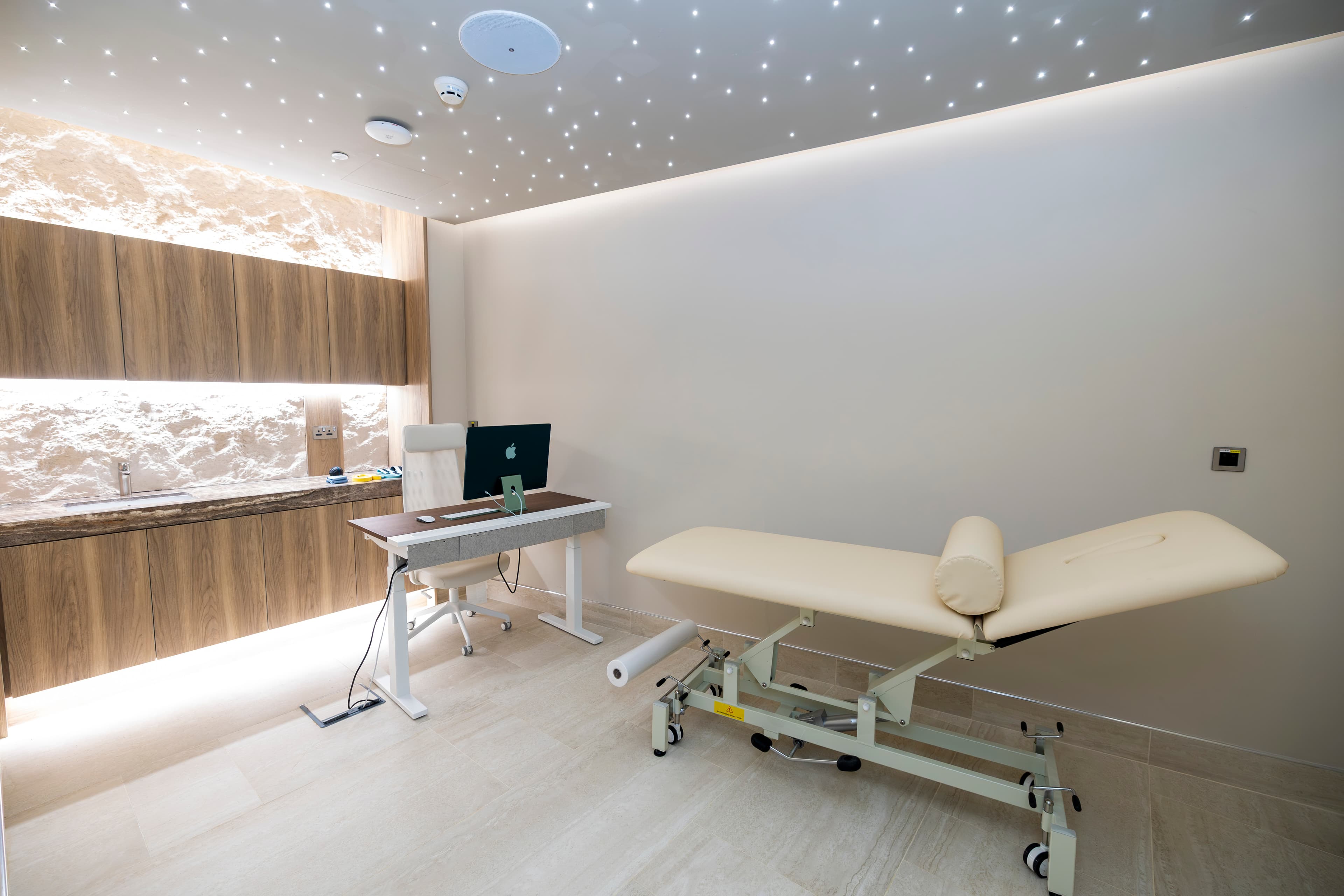
Your session is one-to-one, in a private treatment room.
Sunday – Thursday: 8:00 AM – 10:00 PMFriday: 12:00 PM – 8:00 PMSaturday: 10:00 AM – 8:00 PM
Longevity Suite, Virgin Active Unit 120, Building 41, Street 950 Msheireb Downtown Doha, Qatar
Open in Google MapsRebuild strength and balance in your ankle.
45-minute physiotherapy session at the Longevity Suite, Virgin Active Msheireb. 600 QAR. Confirmation within an hour.