Conditions
Knee Osteoarthritis in Doha: Physio for Stiff, Painful Knees
Knee osteoarthritis is common and it is not a reason to stop moving. A physiotherapy plan built on the right exercise can help reduce pain and keep you walking, climbing stairs and training.
Where you will be treated
 Chartered PhysiotherapistsLongevity SuiteMsheireb Downtown Doha
Symptoms we commonly see
- Knee pain when walking longer distances, climbing stairs or getting up from a low chair.
- Stiffness in the morning or after sitting that eases after a few minutes of movement.
- Swelling that comes and goes, often after a more active day.
- A grinding or crackling feeling in the knee when bending it.
- Difficulty kneeling, squatting or going down stairs, and reduced confidence in the knee.
What knee osteoarthritis is, and is not
Osteoarthritis is a change in the whole joint: cartilage, bone and the surrounding tissues. It is not simple wear and tear, and the level of pain does not always match what the X-ray shows.
- Age and history. It becomes more common from middle age, and an old knee injury such as a meniscus or ligament tear raises the risk.
- Load and strength. Weak thigh and hip muscles, extra body weight and long periods without activity all increase the load the joint has to absorb.
- Flare-ups. Pain often rises after a sudden jump in activity or a long period of inactivity, then settles again. Understanding this pattern is part of managing it.
How a physio-led plan helps
International clinical guidelines recommend exercise and education as a first-line treatment for knee osteoarthritis. We start by assessing how your knee moves and what triggers your pain, and we check the hip, the foot and your walking pattern.
The core of the plan is progressive strengthening for the thigh and hip muscles, balance and range-of-motion work, and practical advice on how to pace activity. Hands-on techniques can help ease pain and stiffness so you can do the exercises comfortably.
Progress is usually measured over weeks, not in a single session. We set clear goals with you, such as walking further or managing stairs more easily, and we tell you honestly when a medical opinion on injections or surgery is worth considering.
When to see a doctor first
Some presentations need medical assessment before physiotherapy. We screen for them at the first visit.
- A hot, red, very swollen knee, especially with fever.
- Being suddenly unable to put weight on the leg.
- A knee that locks and cannot be straightened.
- Knee pain after a fall or a significant twist.
- Calf pain and swelling with warmth or redness.
Related services at MVP
Who will treat you
Every session is one-to-one, and the person who assesses you is the person who treats you.
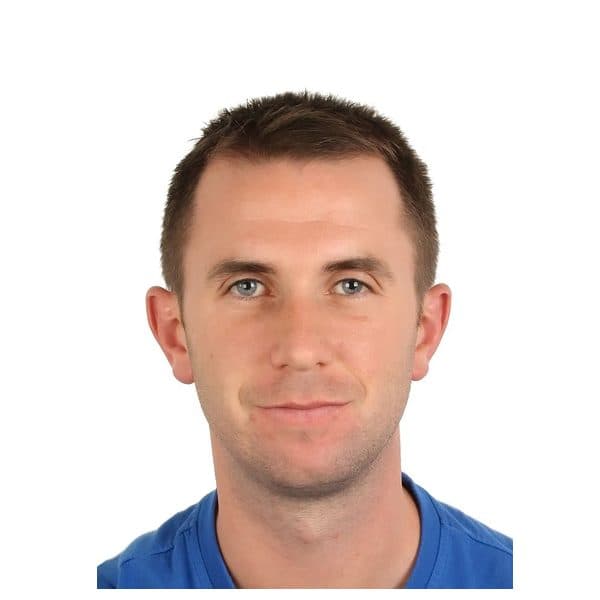
Dermot Simpson
Co-founder & Lead Physiotherapist
Chartered Physiotherapist · MSc Sports Physiotherapy (UCD) · Aspetar Doha · Qatar National Football Team (since 2018) · Asian Cup 2019 winner

Rana Brahim
Physiotherapist
Physiotherapist · Aspetar-trained · Dry Needling · McKenzie Method · FIFA Football Medicine · Adaptive Sports Medicine
Speaks Arabic
Taneille Johnson
Sports Therapist
Sports Therapy · Personal Training · FIFA Diploma in Football Medicine · FIFA U-17 World Cup medical team
Your first session
45 minutes · 600 QAR · one-to-one
Assessment
We review your history, assess how you move and explain what we find.
Hands-on treatment
Treatment starts in the same visit, combining hands-on therapy with targeted exercise.
A plan between sessions
You leave with exercises and a clear plan to follow until your next session.
Common questions
Is there a treatment for knee osteoarthritis?
Osteoarthritis cannot be reversed, but symptoms can often be managed well. Exercise, weight management where relevant and education are the recommended foundation. Medication, injections and surgery are medical decisions for your doctor, and physiotherapy supports all of these options.
Should I rest my knee?
Short periods of relief during a flare-up are fine, but long-term rest tends to weaken the muscles that protect the knee. The goal is the right amount of movement, which we help you find.
What exercises can I do at home?
Simple strengthening for the thigh and hip, such as sit-to-stand from a chair and straight-leg raises, often helps. The right choice and dose depend on your knee, so we give you a specific home programme after the assessment.
Do oils, creams or herbs help?
Some people find topical products soothing, but they do not change the joint. They can be used alongside exercise, not instead of it. Ask your doctor or pharmacist about any medication.
5.0 on Google
A fantastic clinic with a clean, modern environment and a warm, welcoming atmosphere. The staff are very friendly and professional, making the whole experience excellent. A special thanks to Rana for her exceptional care!
I had physiotherapy treatment at MVP Clinic with Rana, it was professional, effective, and it was a good experience.
I had a fantastic physiotherapy session with Dermot. I highly recommend.
Recovery packages
Most people need more than one session
Hands-on treatment works best in a series. Massage packages bring the per-session price down and are paid online, so the plan is set before you walk in.
4 sessions
Save 90 QAR · 5% off
1,710 QAR
427.5 QAR per session
Valid for 30 days
8 sessions
Save 360 QAR · 10% off
3,240 QAR
405 QAR per session
Valid for 60 days
12 sessions
Save 810 QAR · 15% off
4,590 QAR
382.5 QAR per session
Valid for 90 days
- 60-minute sessions
- Deep tissue or sports massage
- The same team and standard as single sessions
Package sessions are scheduled by phone or at reception, not through the online booking page.
Practical information
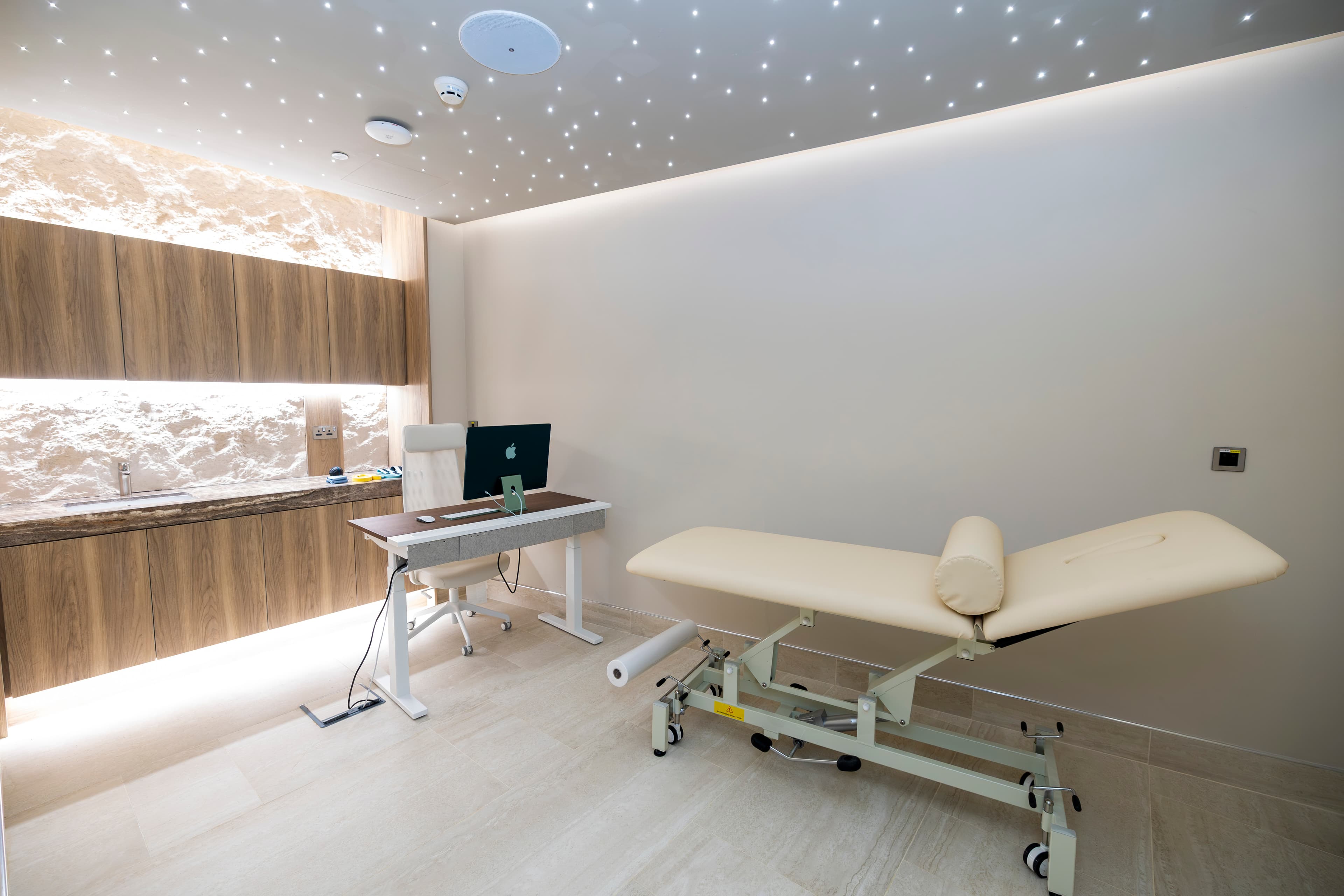
Your session is one-to-one, in a private treatment room.
Sunday – Thursday: 8:00 AM – 10:00 PMFriday: 12:00 PM – 8:00 PMSaturday: 10:00 AM – 8:00 PM
Longevity Suite, Virgin Active Unit 120, Building 41, Street 950 Msheireb Downtown Doha, Qatar
Open in Google MapsKeep your knees moving with a clear plan.
45-minute physiotherapy session at the Longevity Suite, Virgin Active Msheireb. 600 QAR. Confirmation within an hour.